

Box Hill bulky waste clearance and rental permit advice Surrey
Posted on 13/08/2026
Box Hill Bulky Waste Clearance and Rental Permit Advice Surrey
If you are sorting bulky waste in or around Box Hill, the process can feel surprisingly tricky. One minute you are clearing an old sofa, the next you are trying to work out whether you need a permit for a van, where the waste should go, and how to avoid a fly-tipping headache. This guide to Box Hill bulky waste clearance and rental permit advice Surrey pulls the practical pieces together so you can make sense of it without the stress.
It is written for people who need to clear larger household items, prepare a property, manage a rental move, or simply do the job properly. You will find clear steps, common pitfalls, useful comparisons, and a grounded explanation of what to check before you book a clearance or hire a vehicle. No jargon for the sake of it. Just the stuff that helps.
- Why Box Hill bulky waste clearance and rental permit advice Surrey matters
- How the process works
- Key benefits and practical advantages
- Who this is for and when it makes sense
- Step-by-step guidance
- Expert tips for better results
- Common mistakes to avoid
- Tools, resources and recommendations
- Law, compliance, standards and best practice
- Options, methods and comparison table
- Case study or real-world example
- Practical checklist
- Conclusion
- Frequently asked questions
Why Box Hill bulky waste clearance and rental permit advice Surrey Matters
Box Hill sits in a part of Surrey where homes, rentals, holiday lets, and visitor traffic can create a very mixed set of waste challenges. A property might need a swift clearance after tenants move out, or a driveway might be blocked by oversized furniture that will not fit in an ordinary car. In those moments, "we'll deal with it later" becomes a poor strategy quite quickly.
Bulky waste is not just a logistics problem. It can affect access, safety, tenant turnover, neighbour relations, and even how smoothly a move or refurbishment goes. Add a rental vehicle into the mix and the stakes rise again. If you hire a van, skip, or any temporary access arrangement, you may need to consider where it can be parked, whether local restrictions apply, and if any permission is needed before loading begins.
That is why Box Hill bulky waste clearance and rental permit advice Surrey is really about planning. The aim is simple: remove unwanted items legally, efficiently, and without creating avoidable issues for the property owner, tenant, or contractor. To be fair, the best clearance jobs often look boring from the outside. That is a compliment.
For landlords and homeowners, there is another angle too. A tidy, uncluttered space usually photographs better, shows better, and feels less chaotic. If you are preparing to sell or let, that matters. For related local reading, you may also find selling your Surrey home and local advice on moving to Surrey helpful when the property itself is part of the equation.
How Box Hill bulky waste clearance and rental permit advice Surrey Works
At a practical level, the process usually has two threads running at once: the waste itself and the access required to remove it. That sounds obvious, but people often focus on the sofa and forget the vehicle, the lift access, the stairwell, or the parking situation. Then the day arrives and everyone is improvising. Not ideal.
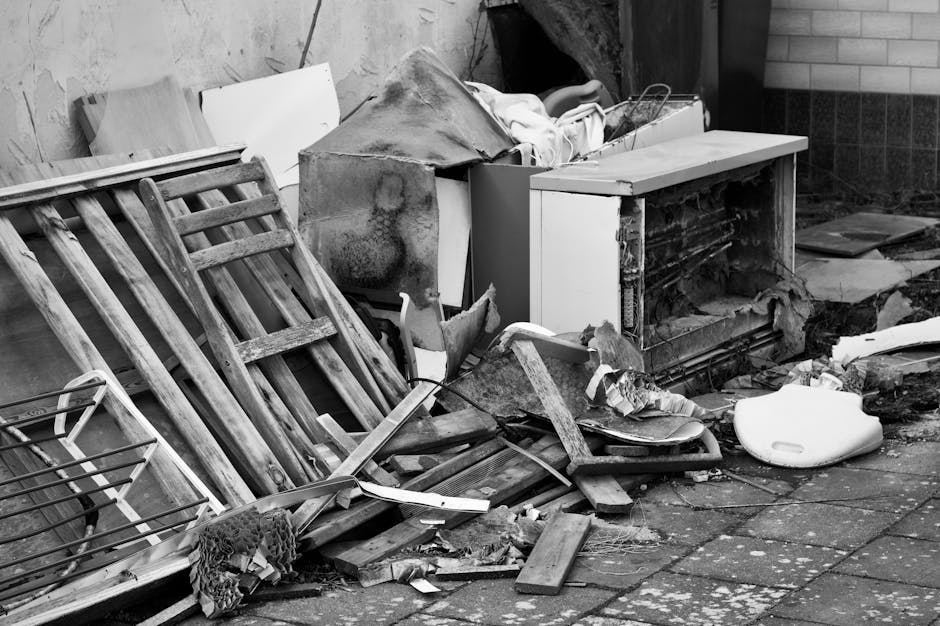
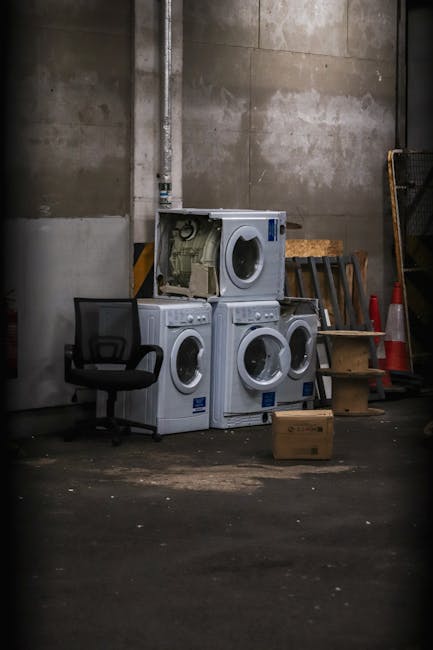
Bulky waste clearance normally starts with identifying what needs to go. Large furniture, mattresses, broken white goods, shelving, garden waste in bulk, office furniture, and mixed household items are all common examples. Once you know what is involved, you can decide whether the right route is a direct collection, a full property clearance, or a vehicle hire arrangement.
Rental permit advice comes in where the job requires space you do not automatically have. This may include permission for parking, loading, placing a vehicle near a property, or keeping access clear for neighbours. If you are using a rented van or a hired vehicle, the key is to check the terms of the hire and any local parking restrictions before the first item even gets lifted. A ten-minute check can save a long, awkward phone call later.
It also helps to think in stages:
- Work out what needs removing and whether anything can be reused, donated, or recycled.
- Check access, parking, loading points, and whether permits or permissions may be needed.
- Choose the most suitable method: one-off collection, full clearance, or hire-and-load.
- Prepare the items so the removal day is efficient and safe.
- Confirm how the waste will be handled afterwards, especially if mixed materials are involved.
If you are comparing service types, it may help to look at broader options like the services overview and the more specific waste clearance Surrey page to understand how different jobs are typically approached.
Key Benefits and Practical Advantages
Getting the clearance and permit side right brings more than convenience. It reduces risk, saves time, and usually avoids the messy middle where delays and misunderstandings creep in.
- Cleaner access and easier lifting: If parking and loading are planned properly, the job is faster and safer.
- Lower chance of avoidable fines or complaints: Restrictions on parking, loading, or waste placement can catch people out if they assume rather than check.
- Better recycling outcomes: Sorting bulky items well often means more can be diverted from disposal.
- Less disruption to tenants or neighbours: A tidy, time-efficient clearance causes fewer headaches all round.
- More predictable costs: When access is clear and the scope is defined, quotes tend to be more accurate.
There is also a small but important psychological benefit. A cluttered flat, a packed hallway, or a garage full of broken furniture can make the whole property feel heavier than it is. Once the bulk is gone, the place usually feels like itself again. You can almost hear the room breathing. Slightly dramatic, yes, but true.
For landlords, these benefits often link directly to turnaround speed. If a rental needs refreshing between occupiers, handling bulky waste quickly can shorten void periods and help the next phase begin on time. That is one reason why combining clearance with sensible planning is so useful in Surrey's busy property market. For a wider property perspective, see real estate insights for Surrey investors.
Who This Is For and When It Makes Sense
This topic is not just for one type of customer. In practice, Box Hill bulky waste clearance and rental permit advice Surrey tends to matter to a few familiar groups.
- Homeowners clearing old furniture, loft items, or garage clutter before redecorating or moving.
- Landlords needing a fast turnaround after a tenancy ends, especially where large items have been left behind.
- Tenants who are moving out and want to leave the property properly cleared without risking dispute.
- Holiday let operators who need regular, efficient removal of damaged or surplus items.
- Contractors and renovators dealing with bulky strips-out, mixed waste, or storage contents.
- Anyone hiring a vehicle to move large items and needing to check permissions, parking, or loading access.
It makes sense whenever the waste is too large for normal bin collection, too awkward to manage alone, or too time-sensitive to leave sitting around. It also makes sense when the access situation is complicated. A large item is one thing; carrying it down a narrow stairwell while a van sits half a street away is something else entirely.
For people dealing with a full property tidy-up, services such as house clearance Surrey, furniture disposal Surrey, and loft clearance Surrey can be a better fit than trying to piece everything together manually.
Step-by-Step Guidance
If you want a smoother result, follow a simple sequence. It sounds basic, but basic is often what keeps a job calm.
- Walk the property first. Identify every bulky item, whether it is going, staying, or might need special handling.
- Separate obvious categories. Sofas, mattresses, wooden furniture, electrical items, garden waste, and mixed junk may need different handling or disposal routes.
- Check access and permissions. Ask whether the vehicle will fit, whether parking is available, and whether any rental or loading permit is needed.
- Remove anything that should stay. Keys, paperwork, photos, chargers, and small valuables have a habit of hiding in drawers. Annoyingly good at it too.
- Make the items easy to move. If possible, disassemble what can be safely taken apart, but only if that does not create a hazard.
- Confirm the collection method. Decide whether the waste will be loaded into a hired vehicle, collected as part of a clearance, or removed in stages.
- Ask how recycling is handled. Mixed bulky waste should be sorted where practical so reusable and recyclable material is not lost.
- Keep a record. In a rental or landlord scenario, photographs before and after can be very useful if there is a later question about condition or left-behind items.
A small but practical point: if a permit or permission is required, do not leave it until the collection day. Put it in the same category as keys and fuel, not as an afterthought. That one detail can make the whole day feel less rushed.
Expert Tips for Better Results
Here is the sort of advice that usually saves trouble rather than sounding impressive.
- Measure the awkward items. A wardrobe that looks manageable in a hallway can become impossible at the front door if you have not checked widths.
- Keep routes clear. Clear floors, door thresholds, and steps before lifting begins. One stray shoe can be enough to cause a stumble.
- Think about weight, not just size. A compact filing cabinet or heavy cupboard can be more difficult than a bulky but light chair.
- Use a staged plan for mixed contents. If the property contains furniture, loose rubbish, and awkward storage items, do not try to handle it as one big pile.
- Choose timing carefully. Early starts are often calmer. Fewer passers-by, less traffic noise, and usually a better chance of smooth loading.
- Be realistic about DIY. It is tempting to think, "I'll just do it myself this weekend." Sometimes that works. Sometimes it means three trips, one strained back, and a growing sense of regret.
If you are dealing with business premises or rented workspaces as well as residential property, the same logic applies. The difference is usually the volume and the urgency, not the basic approach. For business-related planning, the office clearance Surrey page is a useful point of reference.
Common Mistakes to Avoid
Most clearance problems are not dramatic; they are cumulative. A small assumption here, a rushed decision there, and suddenly the job becomes harder than it needed to be.
- Assuming parking will be fine. It might be, or it might not. Check before the vehicle arrives.
- Mixing everything together. Recyclable items, reusable furniture, and general waste should not all be treated the same if they can be separated sensibly.
- Leaving access until the last minute. Narrow entrances, shared drives, and tight residential roads all need a look first.
- Forgetting rental terms. If a vehicle is hired, read the hire conditions carefully. Damage, late return, and loading limits can all matter.
- Underestimating volume. One large item can become five once you find the matching parts, cushions, and packaging.
- Skipping proof of disposal. For landlords and managing agents, that paperwork trail matters more than people sometimes expect.
Another common mistake is trying to squeeze the whole task into the wrong service type. If the job is more about household contents than loose rubbish, a broad house clearance Surrey approach may be more suitable than a simple collection. Matching the method to the mess, frankly, is half the battle.
Tools, Resources and Recommendations
You do not need a van load of specialist gear to manage most bulky waste jobs well, but a few practical tools make a difference.
- Measuring tape: Useful for checking item sizes against doorways, lifts, and vehicle space.
- Protective gloves: Handy when dealing with splintered wood, sharp edges, or dusty storage items.
- Ratchet straps or tie-downs: Important if items are being transported in a vehicle and need to stay secure.
- Furniture sliders or blankets: Help reduce floor damage and make heavier items easier to move.
- Labels or marker notes: Helpful for sorting "keep," "clear," and "check first" items during a messy job.
- Phone camera: Simple, but very effective for recording condition before and after.
From a planning point of view, a good recommendation is to use a short written brief before the collection day. It can be as simple as a list of items, access notes, parking notes, and anything that should not be touched. It saves those awkward "oh, that cupboard was staying" moments.
For people also weighing environmental impact, it is worth reading about recycling and sustainability. If you are planning around payment or booking confidence, payment and security and pricing and quotes are sensible supporting pages to review.
Law, Compliance, Standards or Best Practice
When bulky waste is being removed, the main compliance principle is straightforward: waste must be handled responsibly by whoever is arranging the disposal. That means you should be careful about where the waste goes, who is collecting it, and whether the arrangement is suitable for the type of material involved.
In ordinary English, if you hand waste to the wrong person or leave it where it can be fly-tipped, you may end up with the problem attached to you. That is especially important for landlords, agents, and anyone hiring third-party help. Best practice is to choose a reputable operator, keep clear notes of what was removed, and retain any paperwork or confirmation you are given.
Rental permits and permissions are a separate issue, but they intersect with waste work all the time. If you need temporary vehicle access, parking space, or loading permission, do not assume it is covered. Check the rules for the property, the road, or the hire arrangement involved. Where the situation is unclear, ask before action rather than after.
Safety matters too. Good practice usually includes manual handling care, safe stacking, stable loading, and sensible separation of hazardous or fragile items. If an item contains electrical components, sharp fixings, or hidden damage, it deserves a bit more caution than a quick heave and hope. The website's insurance and safety information is a useful reminder that responsible clearance should be about more than speed.
Also, a small but important note: if a job involves more than general household waste, check whether the materials need special treatment. Better to pause and classify properly than to guess. Guessing is expensive in this line of work.
Options, Methods, or Comparison Table
There is no single right answer for every property. The best method depends on volume, urgency, access, and who is responsible for the items.
| Method | Best for | Pros | Watch out for |
|---|---|---|---|
| DIY removal with hired vehicle | Small-to-medium bulky loads and confident hands-on users | Flexible timing, direct control, can suit tight budgets | Parking, loading limits, fuel, time, and permit checks |
| One-off bulky waste collection | A few large items or a short list of furniture | Simple, fast, less handling by the customer | Less suitable for mixed contents or very large clearances |
| Full property clearance | End-of-tenancy, probate, moves, or major decluttering | Good for whole rooms, lofts, garages, and mixed items | Needs clearer instructions and may take longer to scope |
| Phased clearance | Properties with access constraints or staged refurbishments | Flexible, easier to manage around tenants or contractors | Can stretch the timeline if left too open-ended |
If you are not sure which route suits your situation, a broader page like rubbish collection Surrey can help you think through the simplest option, while larger jobs often sit more naturally under waste clearance Surrey.
Case Study or Real-World Example
Imagine a two-bedroom rental near Box Hill where the previous occupier has left a sofa, two broken chairs, a wardrobe, and some flat-packed packaging in the spare room. The landlord wants the property turned around quickly for new photos and a viewing the following week.
On paper, that sounds straightforward. In practice, there are a few moving parts. The access road is narrow. Parking is limited. The sofa will not fit through the hall without turning it on its side. And the landlord is not sure whether the vehicle needs permission to stop close enough for loading.
The sensible approach is to treat the job as both a clearance and an access plan. First, measure the largest items and check the route out of the property. Then confirm where a vehicle can safely stop. Finally, agree what happens to the items once they are removed, especially if the wardrobe can be recycled or broken down for material recovery.
In a case like that, the job usually goes better if the instructions are simple and specific: what is going, what is staying, where the access point is, and whether timing is tight. That is the difference between a neat afternoon's work and a slightly chaotic shuffle with everyone saying "hang on a second."
If the items are mostly furniture, a service focused on furniture disposal Surrey may fit neatly. If the job expands into cupboards, loft storage, and miscellaneous contents, the broader loft clearance Surrey and house clearance Surrey options become more relevant.
Practical Checklist
Use this checklist before the collection day or rental vehicle pickup. It keeps the job grounded.
- Confirm exactly which bulky items are being removed.
- Separate items to keep, donate, recycle, or dispose of.
- Measure the largest pieces and check access routes.
- Review parking, loading, and any permit or permission requirements.
- Check the vehicle hire terms if you are renting one.
- Protect floors, walls, and door frames where needed.
- Set aside keys, documents, chargers, and valuables.
- Take before photos if the property is rented or managed professionally.
- Confirm the disposal method and who is responsible for the waste afterwards.
- Have a backup plan if access or timing changes on the day.
One line to keep in mind: if the access looks tight when you are standing there with a cup of tea, it will feel tighter once a sofa is in your hands. Best to plan for that in advance.
Get a free quote today and see how much you can save.
Conclusion
Box Hill bulky waste clearance and rental permit advice Surrey is really about making a practical job feel manageable. Once you understand the access, the parking, the waste type, and the best disposal route, the whole process becomes much less intimidating. That is usually the turning point.
Whether you are a homeowner clearing space, a landlord preparing a rental, or someone hiring a vehicle for a one-off job, the same rule applies: plan the clearance first, then confirm the permit and access side before anything starts moving. It is a simple habit, but it saves time, money, and stress.
If you are taking the wider Surrey property route as well, it can help to read more about the local context through Surrey's appeal and the practical side of Guildford rubbish removal advice. Different area, same underlying lesson: the best results come from good prep and clear expectations.
And honestly, once the bulky stuff is gone, the space usually feels calmer than you expected. A bit lighter. A bit easier to breathe in. That, in the end, is what most people are really after.

 Tipper Van - Rubbish Removal and Waste Disposal Prices in Surrey, GU1
 Luton Van - Rubbish Removal and Waste Disposal Prices in Surrey, GU1

